Young Scandinavians reinvent leisure
 Afrikaans
 Albanian
 Amharic
 Arabic
 Armenian
 Azerbaijani
 Basque
 Belarusian
 Bengali
 Bosnian
 Bulgarian
 Catalan
 Cebuano
 Chichewa
 Chinese (Simplified)
 Chinese (Traditional)
 Corsican
 Croatian
 Czech
Czech
 Danish
 Dutch
Dutch
 English
 Esperanto
 Estonian
 Filipino
 Finnish
 French
 Frisian
 Galician
 Georgian
 German
 Greek
Greek
 Gujarati
 Haitian Creole
 Hausa
Hausa
 Hawaiian
 Hebrew
 Hindi
Hindi
 Hmong
Hmong
 Hungarian
 Icelandic
 Igbo
Igbo
 Indonesian
 Irish
Irish
 Italian
 Japanese
 Javanese
 Kannada
 Kazakh
 Khmer
Khmer
 Korean
 Kurdish (Kurmanji)
 Kyrgyz
 Lao
Lao
 Latin
Latin
 Latvian
 Lithuanian
 Luxembourgish
 Macedonian
 Malagasy
 Malay
Malay
 Malayalam
 Maltese
 Maori
Maori
 Marathi
 Mongolian
 Myanmar (Burmese)
 Nepali
 Norwegian
 Pashto
 Persian
 Polish
 Portuguese
 Punjabi
 Romanian
 Russian
 Samoan
 Scottish Gaelic
 Serbian
 Sesotho
 Shona
Shona
 Sindhi
 Sinhala
 Slovak
 Slovenian
 Somali
 Spanish
 Sudanese
 Swahili
 Swedish
 Tajik
Tajik
 Tamil
Tamil
 Telugu
 Thai
Thai
 Turkish
 Ukrainian
 Urdu
Urdu
 Uzbek
Uzbek
 Vietnamese
 Welsh
Welsh
 Xhosa
Xhosa
 Yiddish
 Yoruba
 Zulu
Zulu

Young Scandinavians reinvent leisure
Casino uden MitID sits in an interesting place in this story — it is the kind of service that requires nothing from you except your decision to use it. No profile, no loyalty points, no subscription tier. In a world where every brand wants to turn you into a member, that simplicity is quietly revolutionary. And it mirrors exactly what young Scandinavians are doing with their entire approach to consumption.
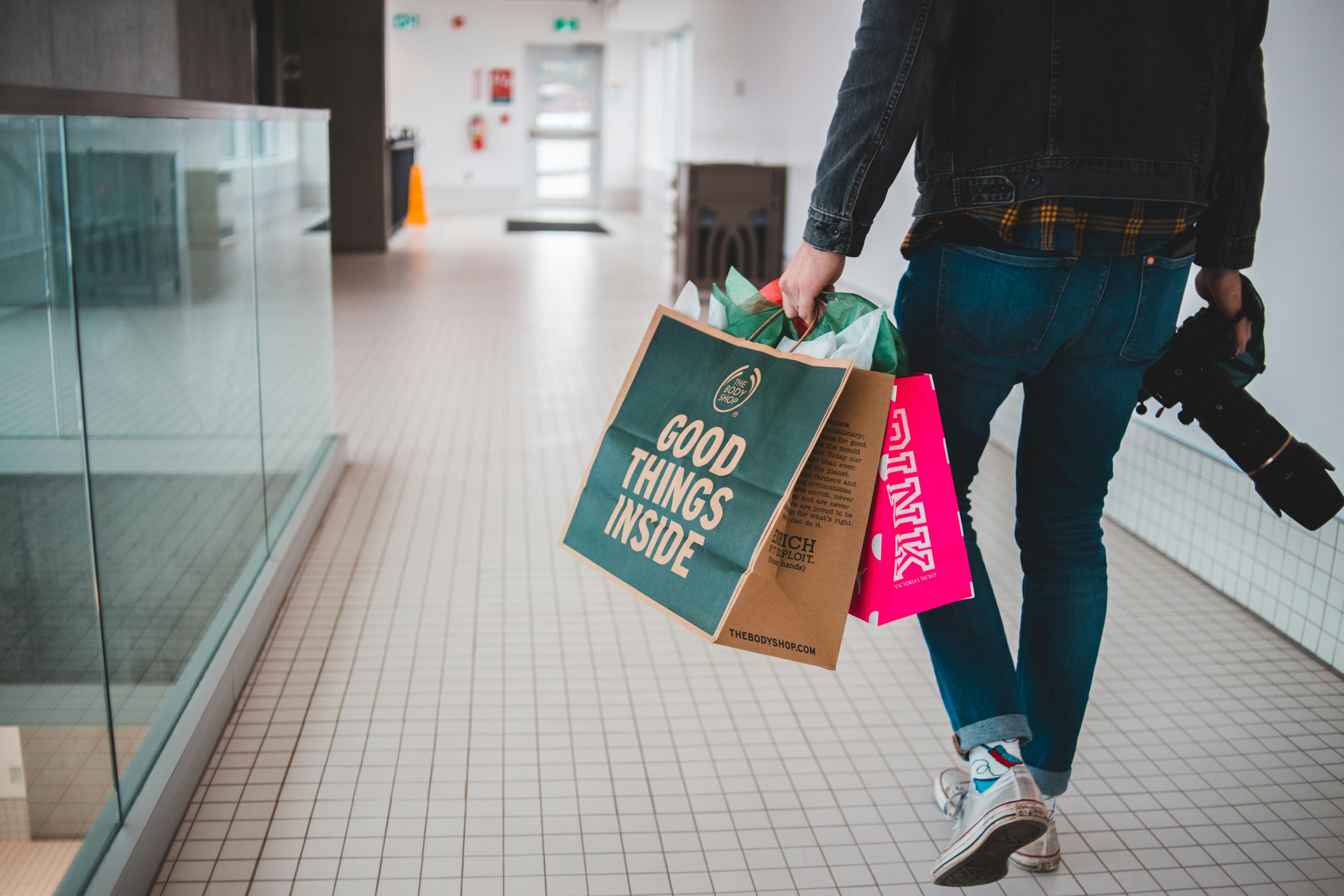
The fast fashion collapse nobody predicted
The shift is real and measurable. Across Denmark, Sweden, and Norway, surveys consistently show that millennials and Gen Z consumers prioritize experiences over objects, sustainability over novelty, and quality over quantity. The fast fashion collapse is the most visible symptom. Swedish brand H&M now struggles in its home market precisely because Scandinavian young adults have turned against the culture it represents.
- Secondhand markets like Vinted and Tradera are growing 30%+ annually
- Buying new clothing is increasingly the unusual choice, not the default
- Repair cafes and clothing swap events are fully mainstream in Danish cities
- The average Dane buys 11 kg of new clothing per year — down from 15 in 2018
Experiences beat ownership — every time
Conscious consumption is broader than clothes. It extends to food — where local, seasonal, and plant-based eating has gone from niche to mainstream. To travel — where flight shame has genuinely affected booking behavior. To entertainment — where spending time on something matters more than spending money on it.
Digital leisure: shorter, simpler, freer
Digital leisure has also fragmented in surprising ways. Streaming fatigue is real — the paradox of too much choice leading to watching nothing has produced a backlash. Some young Danes and Swedes report deliberately choosing shorter, more contained entertainment experiences: a single game, a podcast episode, a 30-minute online session. Controlled, optional, finite.
- Casual gaming overtook console gaming in the 18-28 age bracket
- Average streaming session length dropped 22% between 2022 and 2025
- Board game sales up 40% in Scandinavia since 2020
- Outdoor activities reported as primary leisure by 61% of Danish 20-somethings
The end of loyalty programs
The old model of capturing loyalty through accumulation — points, memberships, rewards — is losing effectiveness. Young Scandinavians are suspicious of systems that tie them in. They want to pay for something, use it, and leave without any strings attached. Services that work without building a data file on you have a genuine competitive advantage with this generation.
The answer, increasingly, is less. Less stuff, less noise, less obligation. More presence, more choice, more freedom to leave. For a generation that grew up with everything connected, disconnection is the new luxury.